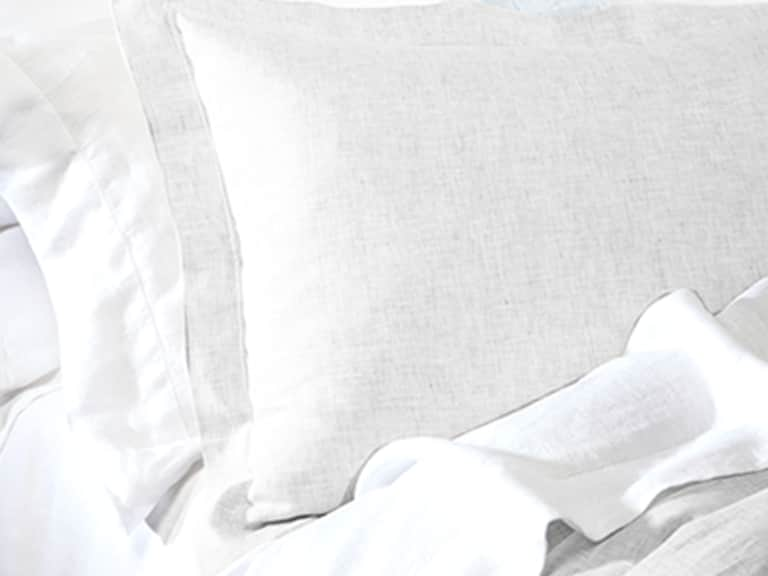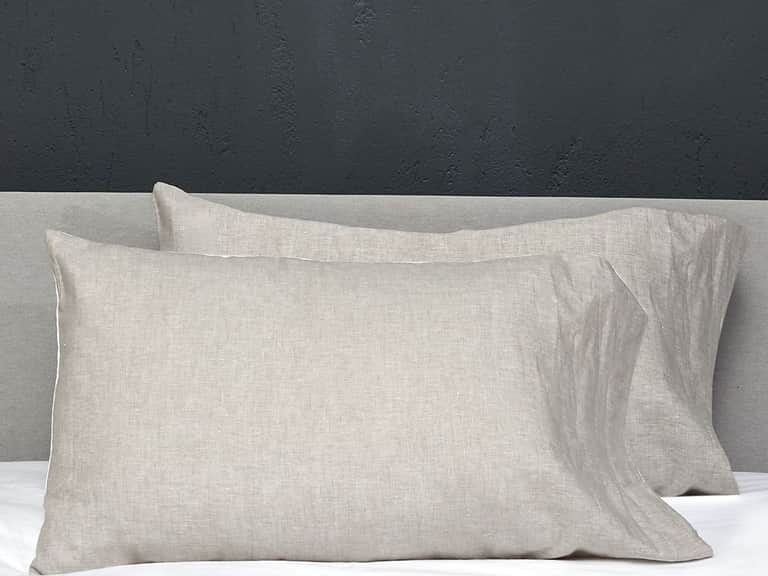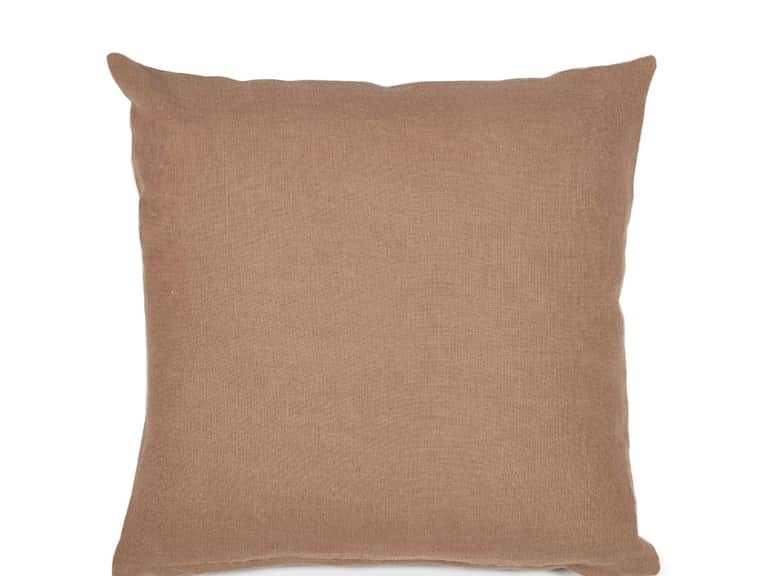
Hudson Pillow Cover
Wrap yourself in casual luxury with Hudson linen pillow covers—soft, stonewashed texture, easy zipper removal, and a relaxed, lived-in feel that suits any insert. Sold separately for flexible styling and simple care.
A travelogue for the windows and wardrobes of memory, this piece explores how linen draperies can channel classic Hollywood glamour in contemporary interiors. We examine textures, color palettes, and the timeless interplay between fabric and light, guided by iconic moments from film history and anchored in the material truth of linen.
Linen’s natural irregularities—slubs, creases, and a matte, earthy glow—are not flaws but features that contribute to a living, cinematic atmosphere. In Hollywood-era interiors, textures were orchestrated to catch light in a way that softens edges and sculpts volume. Modern drapes harness these same properties, building a sense of space that feels both intimate and expansive. Crisp linen sheers invite daylight to wash a room with a gentle diffusion, while heavier linens bring a drama that anchors a room in the way a set piece anchors a scene.
Consider a layered approach: a translucent linen sheer layered with a heavier, densely woven linen panel. The light filtered through a sheer casts a soft luminance, while the outer panel defines silhouette and presence. The interplay between the two fabrics echoes the way a film uses closeups and wide shots to sculpt mood. In this spirit, linen becomes not merely a textile but a storytelling device—an actor that performs quietly, letting furniture, color, and light carry the performance.
Hollywood glam historically leaned on a restrained, opulent palette—cream and ivory for gilded softness, charcoal and deep blues for cinematic gravity, and warm neutrals to evoke sunlit, sunlit-laden backlots. Linen’s natural tones align perfectly with these hues. A linen drapery in ecru or parchment can reflect the glow of a vintage marquee, while a graphite or charcoal linen panel absorbs light with a velvet-like depth, producing a room that feels more intimate and museum-like.
Texture amplifies color. A linen panel with a pronounced weave shows subtle tonal variations as light shifts, enhancing the perception of color without introducing artificial saturation. In a living room, pair linen drapes with a palette of warm beiges, soft taupe, and black-gold accents to evoke classic glamour without resorting to ornate ornamentation.
Care guides from established brands illuminate how linen behaves across seasons and laundering realities. Linen softens with washing and use, developing a tactile character that feels increasingly luxurious rather than worn. Coyuchi and BOVI exemplify this trajectory: the fabric’s natural breathability and texture evolve through repeat laundering, mirroring the ageing of a classic costume that gains character with time.
Practical notes: wash linen in cold to warm water, avoid harsh detergents that strip the fabric’s natural texture, and line-dry when possible to preserve drape. A light tumble-dry can finish with a soft, even hand, while iron on a cotton setting when desired to restore crispness. The result is a linen panel that looks considered and cultivated, not manufactured—an aesthetic befitting a Hollywood-inspired space.
From the storied past to mid-century and contemporary practice, three figures illuminate how linen has shaped fashioning space and memory.
Florence Knoll championed textiles as integral to architectural language, not mere decoration. Her approach to materials—clean lines, modular systems, and a refined restraint—parallels the way linen drapery can fuse with architectural form to create space rather than merely cover space. In a Hollywood-glam context, Knoll’s philosophy translates into a room where linen drapery becomes a sculptural boundary, controlling light and acoustics with a disciplined elegance. A linen panel in a restrained cream can act as a soft, warm boundary that still reads as modern, aligning with the cinematic tradition of balanced composition.
As a master of wardrobe for the silver screen, Edith Head used fabric, color, and silhouette to convey character. Her approach offers a parallel for linen drapery: fabric choice communicates mood and intention. A linen drape in pale ivory or warm ivory can evoke classic Hollywood innocence or sophisticated glamour, while a richer linen in charcoal signals authority or drama. The idea is to let fabric function as a storyteller—like a well-cut gown that falls into place to frame a performer, linen drapes frame a room’s light, texture, and rhythm.
In a more recent frame, designers and scholars have explored linen through sustainability and global supply chains. Nataša Ćosić’s generation emphasizes the ecological weight of textiles, translating into modern Hollywood-inspired interiors that honor responsible sourcing and timeless craft. Linen’s visible texture, breathability, and natural finish align with a contemporary ethos: glamorous spaces need not sacrifice environmental ethics. A living room outfitted with linen-draped windows and minimal metal accents becomes a stage where sustainability and glamour coexist.
As a tangible motif of linen glamour, consider the Hudson Pillow Cover from Libeco. Made from 100% linen and finished with a stonewashed texture, it embodies the linen aesthetic in a compact form. Its zipper closure offers a clean, hotel-like finish that can elevate a sofa or bed, tying together a Hollywood-glam palette with a lived-in softness. The cover is sold separately from inserts, allowing you to curate texture and weight without committing to a full bedding refresh.
Hudson Pillow Cover
100% Linen • Stonewashed finish • Zipper closure
The Hudson Pillow Cover embodies the quiet luxury that underpins Hollywood glamour. Its tactile linen surface invites touch, while the stonewashed texture gives it a casual, sophisticated patina that works across room styles—from vintage-inspired boudoirs to modern, minimal living rooms. Paired with a complementary linen sheet or throw, it becomes a focal point that speaks of restraint and refinement.


A Hollywood-glam space thrives on careful layering: linen drapes paired with hotel-style shams and decorative pillows, gold accents, and controlled lighting. The goal is not ostentation but curated restraint—an environment where each element earns its place and speaks to a shared narrative of time, texture, and tone. Mood boards built around linen textiles—capturing the interplay of light and shadow—help designers articulate this story: a room that feels timeless, not themed, and always in motion with the natural drape of linen.
In practice, begin with the windows: select linen drapes in a seasonally appropriate tone, then introduce a second layer with a lighter or heavier weave for depth. Add a few decor accents that reference Hollywood’s mid-century glamour—sleek metal hardware, softly illuminated lighting, and a restrained color scheme that complements the natural hue of the linen. The result is a space that glows with cinematic warmth, yet remains comfortable and approachable for everyday living.
This article invites readers to explore linen as a living material that can shape atmosphere, light, and memory. It encourages interior enthusiasts to experiment with textures and tones that mirror Hollywood glamour while remaining grounded in everyday practicality. The narrative is not about faux nostalgia but about a design language—one that recognizes linen’s timelessness and its capacity to render spaces both ceremonial and intimate.
To gauge impact, measure time-on-page when readers linger over texture descriptions and care tips, track social shares of mood-board visuals, and assess newsletter sign-ups following a design-forward feature. The goal is to cultivate a community that appreciates the layered beauty of linen within a Hollywood-inspired design framework, while understanding how to maintain authentic care and longevity.